Smoking Facts &
Statistics

The numbers don't lie. Here are the facts about smoking, vaping, and nicotine β€” from the world's leading health organizations.

Death & Disease: The Global Toll

8M+
Deaths per year worldwide
WHO, 2024
480,000
U.S. deaths per year
More than HIV, drugs, alcohol, car accidents & guns combined
1,300+
Americans die daily
From smoking-related causes
16M
Americans living with smoking disease
COPD, heart disease, cancer
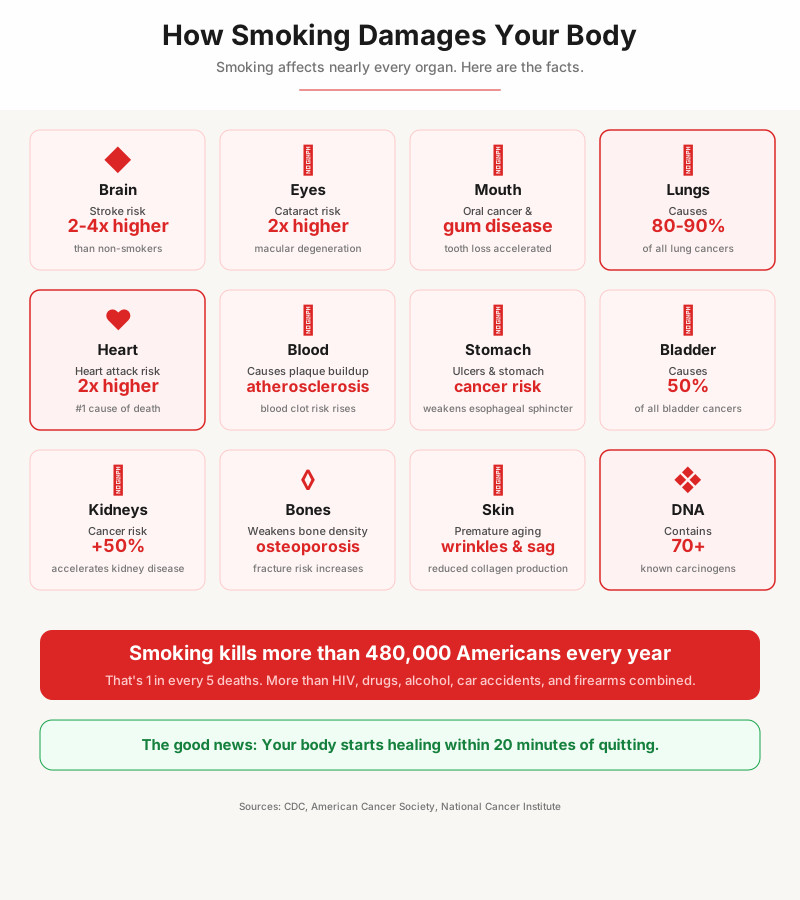
Infographic showing how smoking damages every major organ system in the body, including brain, lungs, heart, blood vessels, kidneys, bladder, bones, skin, eyes, mouth, stomach, and DNA β€” with specific risk statistics for each organ from CDC and American Cancer Society data
Smoking damages virtually every organ in your body. Source: U.S. Surgeon General, 2014

What's Actually in a Cigarette

7,000+
Chemicals in cigarette smoke
Per puff
70+
Known carcinogens
Cancer-causing chemicals
600+
Additives in cigarettes
Added by manufacturers
93
FDA-listed harmful chemicals
In tobacco products
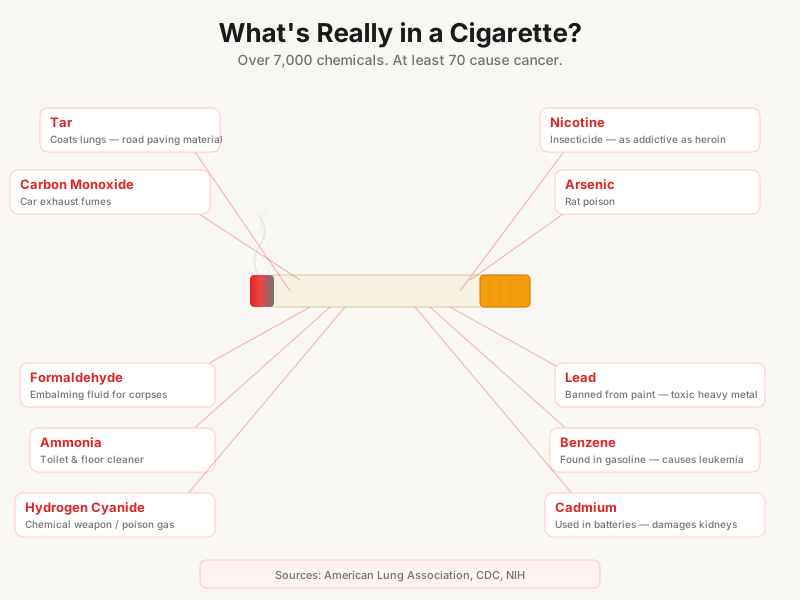
Infographic showing harmful chemicals found in cigarettes including tar, nicotine, carbon monoxide, formaldehyde (embalming fluid), ammonia (household cleaner), hydrogen cyanide (chemical weapons), arsenic (rat poison), lead (batteries), benzene (gasoline), and cadmium (battery acid) β€” with everyday comparisons for each chemical
A single cigarette delivers thousands of chemicals, including at least 70 known to cause cancer

The Financial Cost of Smoking

$3,650
Per year on cigarettes
At $10/pack, 1 pack/day
$170B
U.S. healthcare costs
Annual smoking-related costs
$156B
Lost productivity
Annual cost to U.S. economy
$380K+
20-year total cost
Cigarettes + healthcare + insurance + earnings
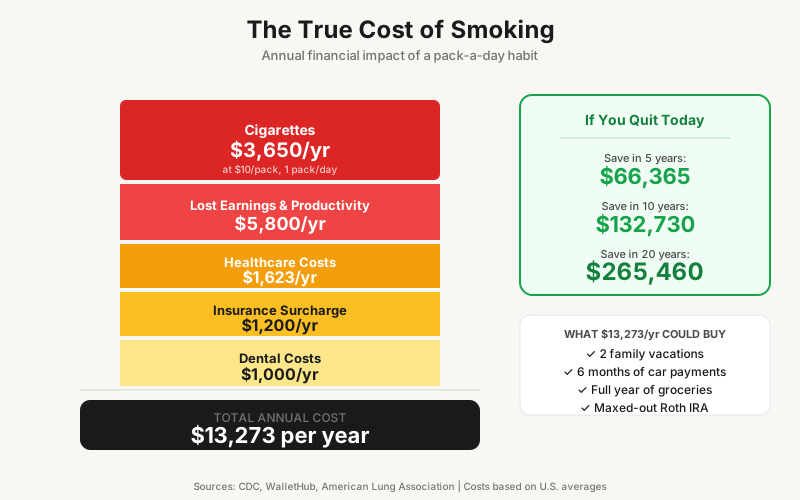
Infographic breaking down the true annual cost of smoking: cigarettes at $3,650 per year, insurance surcharge at $1,200 per year, excess healthcare at $1,623 per year, dental costs at $1,000 per year, and lost earnings at $5,800 per year β€” totaling over $13,000 annually or $265,000 over 20 years
The true cost of smoking goes far beyond the price of a pack. Source: CDC, JAMA Internal Medicine

Quitting: What Actually Works

70%
Of smokers want to quit
CDC survey data
55%
Tried quitting last year
Made at least one attempt
7.5%
Succeed each year
Quit for 6+ months
30-35%
Success with combination therapy
Medication + counseling
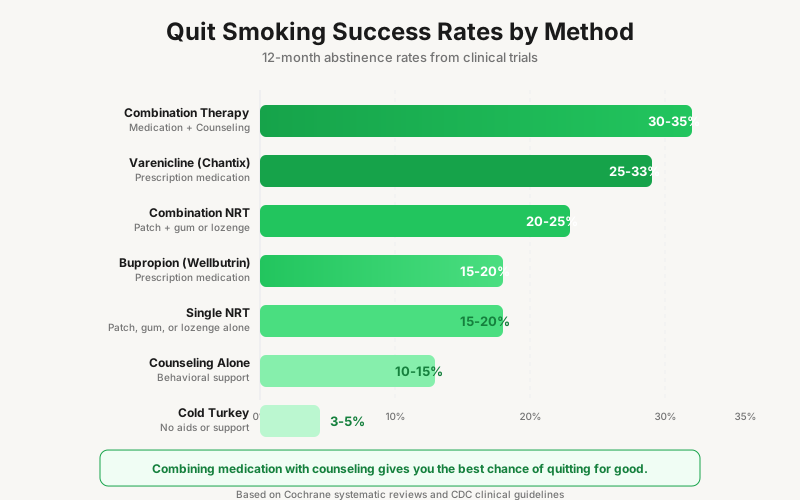
Horizontal bar chart comparing quit smoking success rates by method: combination therapy at 30 to 35 percent, varenicline at 25 to 33 percent, combination NRT at 20 to 25 percent, bupropion at 15 to 20 percent, single NRT at 15 to 20 percent, counseling alone at 10 to 15 percent, and cold turkey at 3 to 5 percent β€” based on Cochrane systematic reviews
Success rates by method β€” combination approaches consistently outperform any single method. Source: Cochrane Reviews

Withdrawal: What to Expect

3-5 min
How long each craving lasts
They pass whether you smoke or not
Day 3
Peak withdrawal
The worst day β€” then it gets better
2-4 wks
Physical symptoms fade
Most are gone within a month
3 months
Most cravings stop
Psychological cravings decline steadily
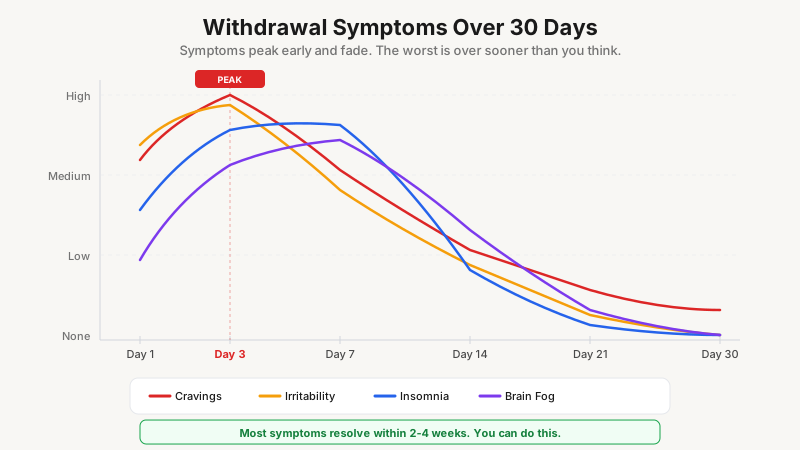
Line chart showing nicotine withdrawal symptom intensity over 30 days: cravings peak on day 3 then steadily decline, irritability peaks on days 2 to 3 and fades by day 21, insomnia peaks during the first week and resolves by day 14, and brain fog peaks in week 1 and clears by day 21 β€” with day 3 marked as peak withdrawal
Withdrawal is temporary. Every symptom peaks and fades on a predictable schedule.

Secondhand Smoke: The Invisible Harm

41,000
U.S. deaths from secondhand smoke
Per year, among non-smokers
400
Infant SIDS deaths
Attributed to secondhand smoke yearly
7,300
Lung cancer deaths
From secondhand smoke exposure
34,000
Heart disease deaths
From secondhand smoke exposure
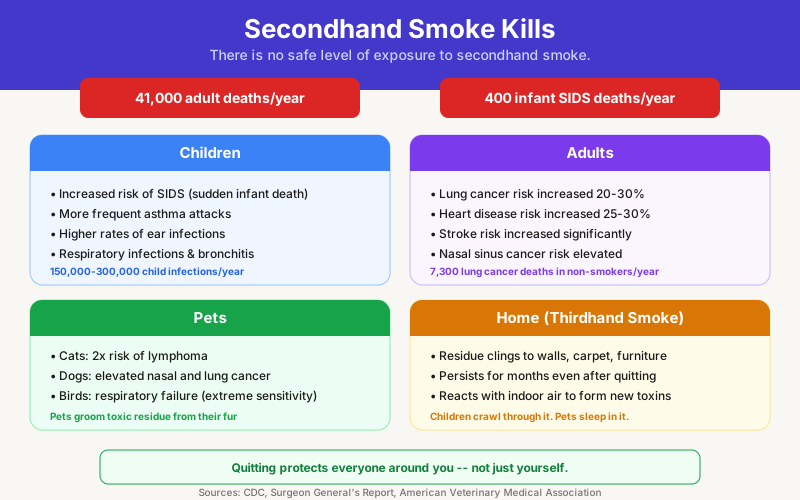
Infographic showing secondhand smoke impact on four groups: children face increased SIDS risk, asthma, and ear infections; adults face lung cancer and heart disease risk; pets face lymphoma in cats and nasal cancer in dogs; and homes retain thirdhand smoke residue for months after smoking stops β€” with statistics showing 41,000 adult deaths and 400 infant deaths per year
Secondhand smoke affects everyone around you β€” including children and pets. Source: CDC, 2024

Vaping: What We Know

2.55M
U.S. youth currently vape
2024 National Youth Tobacco Survey
1 pod
= ~20 cigarettes of nicotine
JUUL 5% pod nicotine equivalent
85%
Of youth vapers use flavored products
Flavors drive youth initiation
?
Long-term health effects
Unknown β€” vaping is too new for long-term data
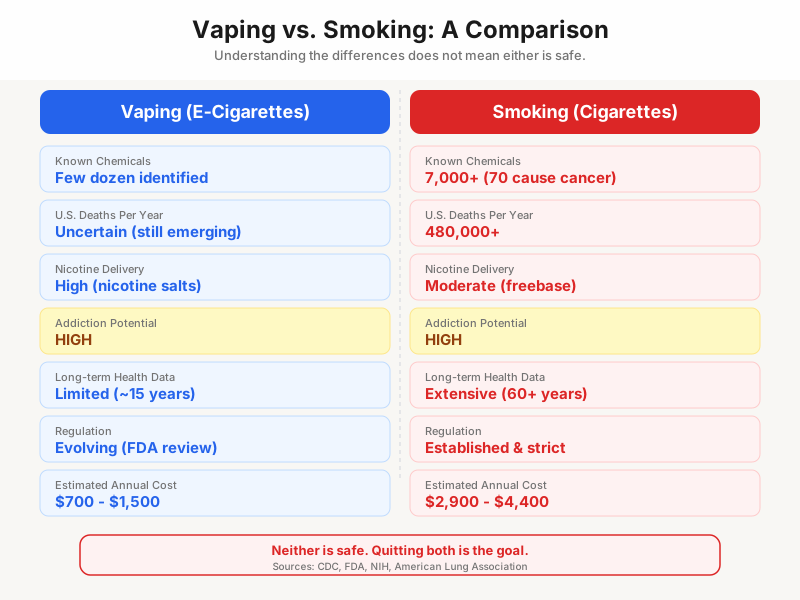
Side-by-side comparison infographic of vaping versus smoking: vaping has fewer known chemicals but limited long-term data, while smoking has over 7,000 chemicals and causes 480,000 deaths per year in the U.S. β€” comparing nicotine delivery, addiction potential, regulation status, and annual cost, with a note that neither is safe and quitting both is the goal
Vaping may be less harmful than smoking, but 'less harmful' doesn't mean safe. Source: CDC, PHE, WHO

See What Happens When You Quit

The damage is real β€” but so is the recovery. Your body starts healing within minutes of your last cigarette.

View the Recovery Timeline →